
Reach Out

About

New solutions
in thermal
management.

Through ultrafast laser surface structuring — patented, chemical-free, and built for production lines.

Backed & accelerated by Techstars Class of 2026 ISS National Lab — Orbital Edge Accelerator Amazon Devices Climate Tech Accelerator

The company

Patented. Proven.
Industrial.

Quantum Qool is an innovative startup whose patented ultrafast laser surface structuring technology was developed by President, Co-Founder & CTO Victor A. Rivas through his flagship R&D company, Rivas Pi-Tech International. The World Intellectual Property Organization approved all 13 claims of the technology in 2014 as industrially applicable, novel and inventive.

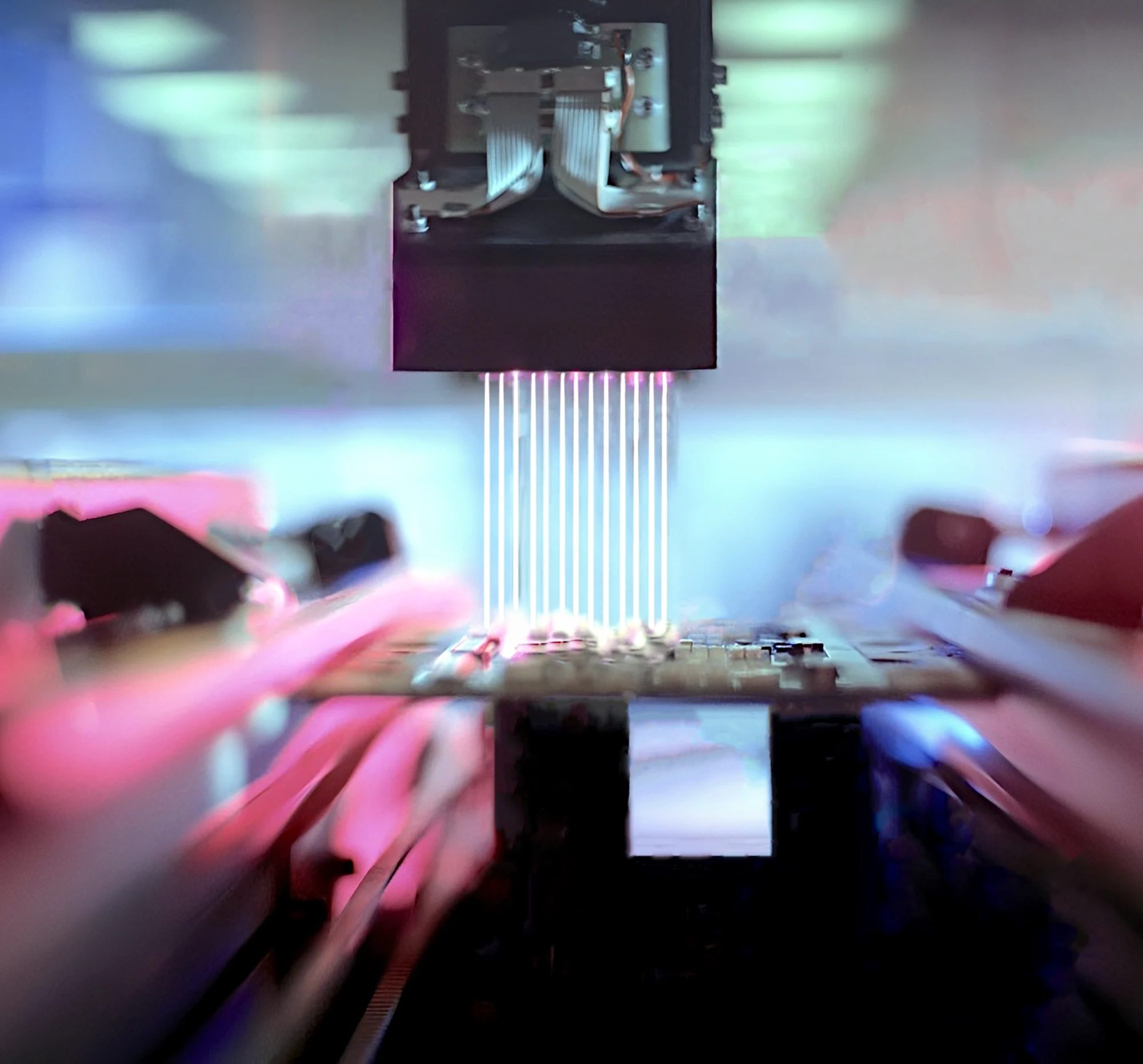
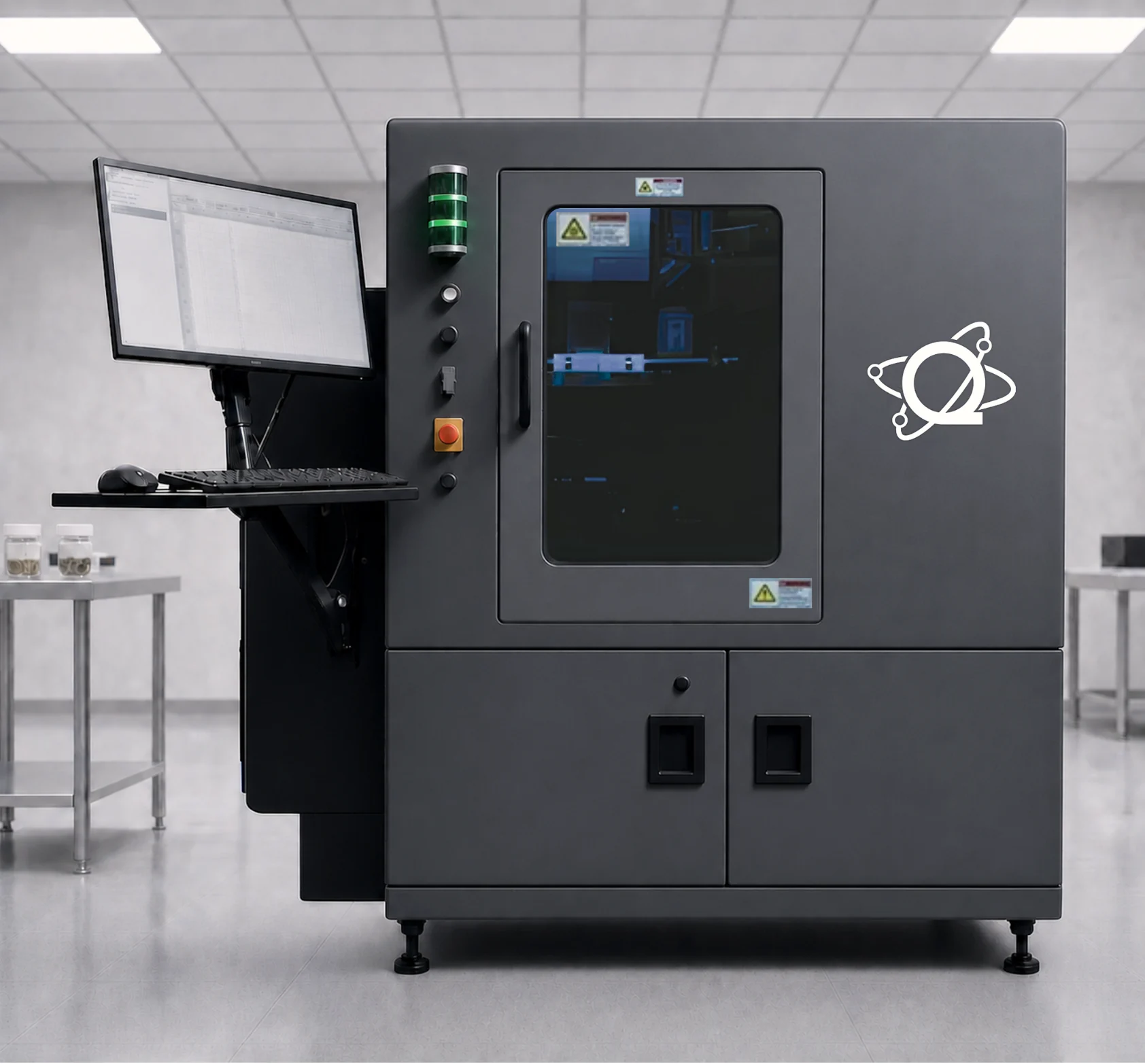
This laser-functionalised surface technology is integrated into an ultrashort pulse laser multi-beam manufacturing unit — the Q2 Laser Station — to enhance the surface-area-to-volume ratio of materials and their effectiveness at emitting thermal radiation. Power and heat management improve by factors of ten or more.

Fundamentally, the technology enhances the capabilities of materials & alloys such as copper, aluminium, nickel, graphite & silicon carbide with relevant micro- and nanostructures for multiple space, defence and power electronic applications.

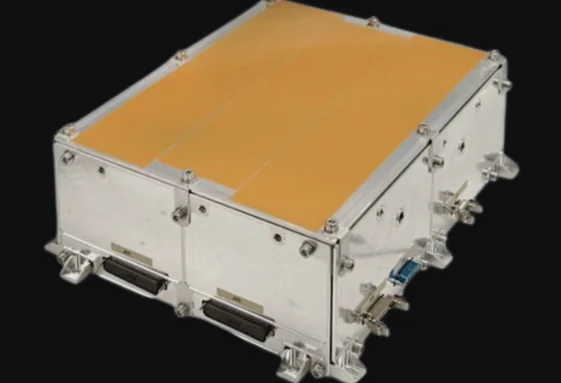
The Q2 Laser Station
The Q2 Laser Station. Leading-edge femtosecond laser performance with industrial reliability and integrated diffractive optics, which significantly boosts production throughput never seen before commercially. Ultrashort pulse “cold processing” lasers produce negligible residual heat effects — ideal for precision processes that were, until recently, unachievable.

Target markets

Customised laser stations,
scaled for production lines.

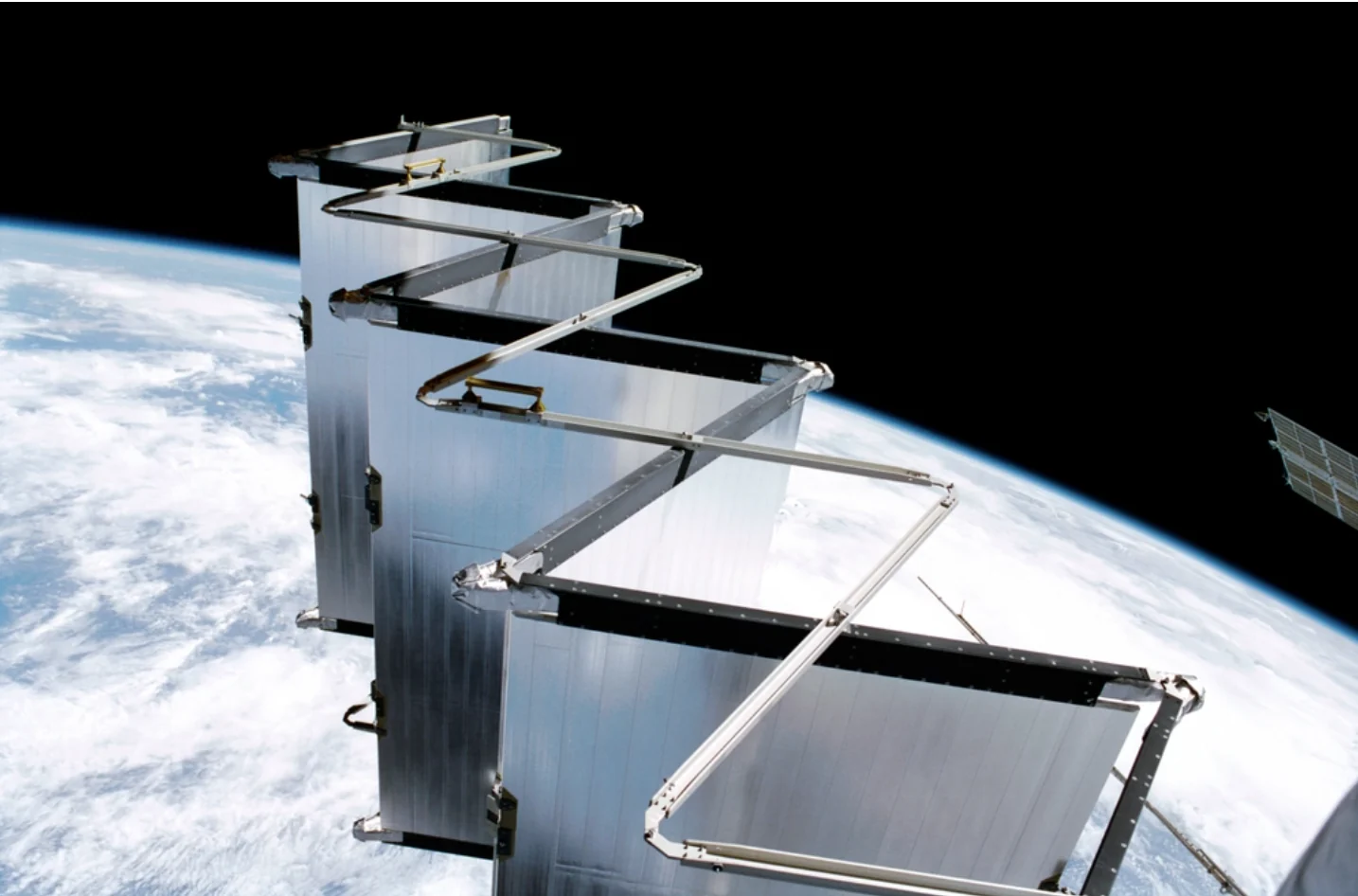
Thermal Radiators

Thermal Radiators

Satellite, lander and rover radiators that shed heat by radiation alone.

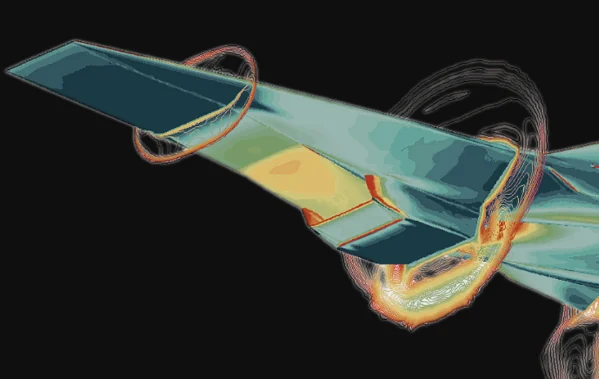
Leading Edges

Leading Edges

Hypersonic leading edges at peak stagnation heating.

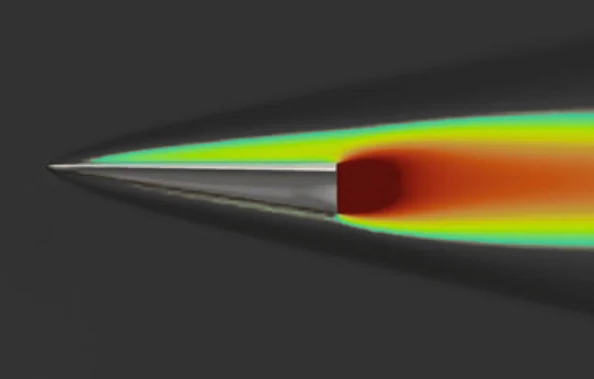
Nose Cones

Nose Cones

Re-entry and hypersonic nose structures under sustained load.

Electronic Enclosures

Electronic Enclosures

Power electronics and avionics running hotter and denser.

How it works / How it works / How it works

Femtoseconds beat
nanoseconds.

Other laser processes

Long pulse
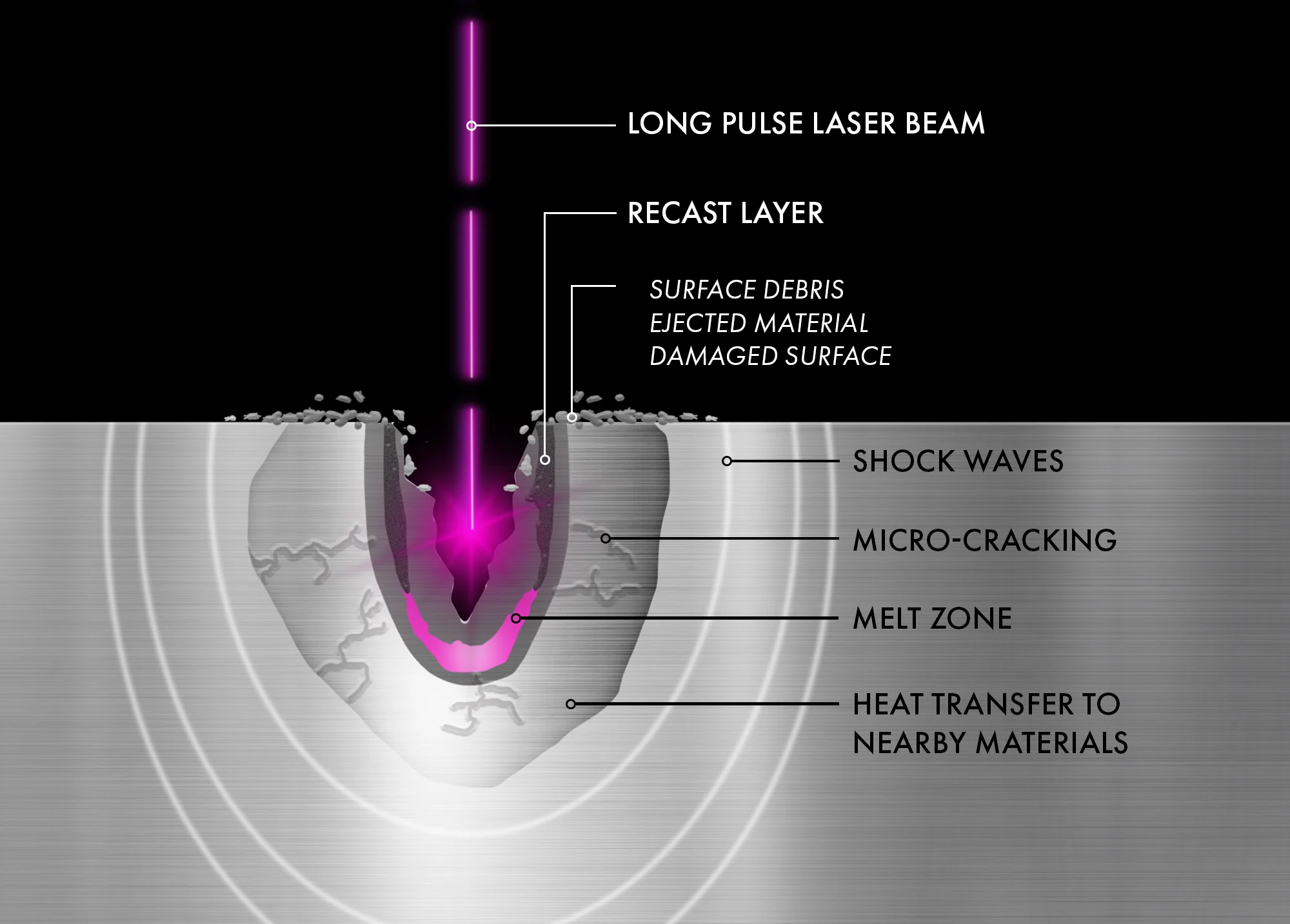
Long pulse laser processing diagram

When materials are laser machined, their electrons become excited and radiate the excess energy before returning to a resting state. The time in between can last anywhere from a few microseconds to a couple of nanoseconds.

Microsecond or nanosecond processing means broader intensity and more thermal diffusion. That leads to large, uneven valleys in the surface and the formation of heat-affected zones — which typically produce microcracks and substantial mechanical and durability failures.
Quantum Qool

Femtosecond
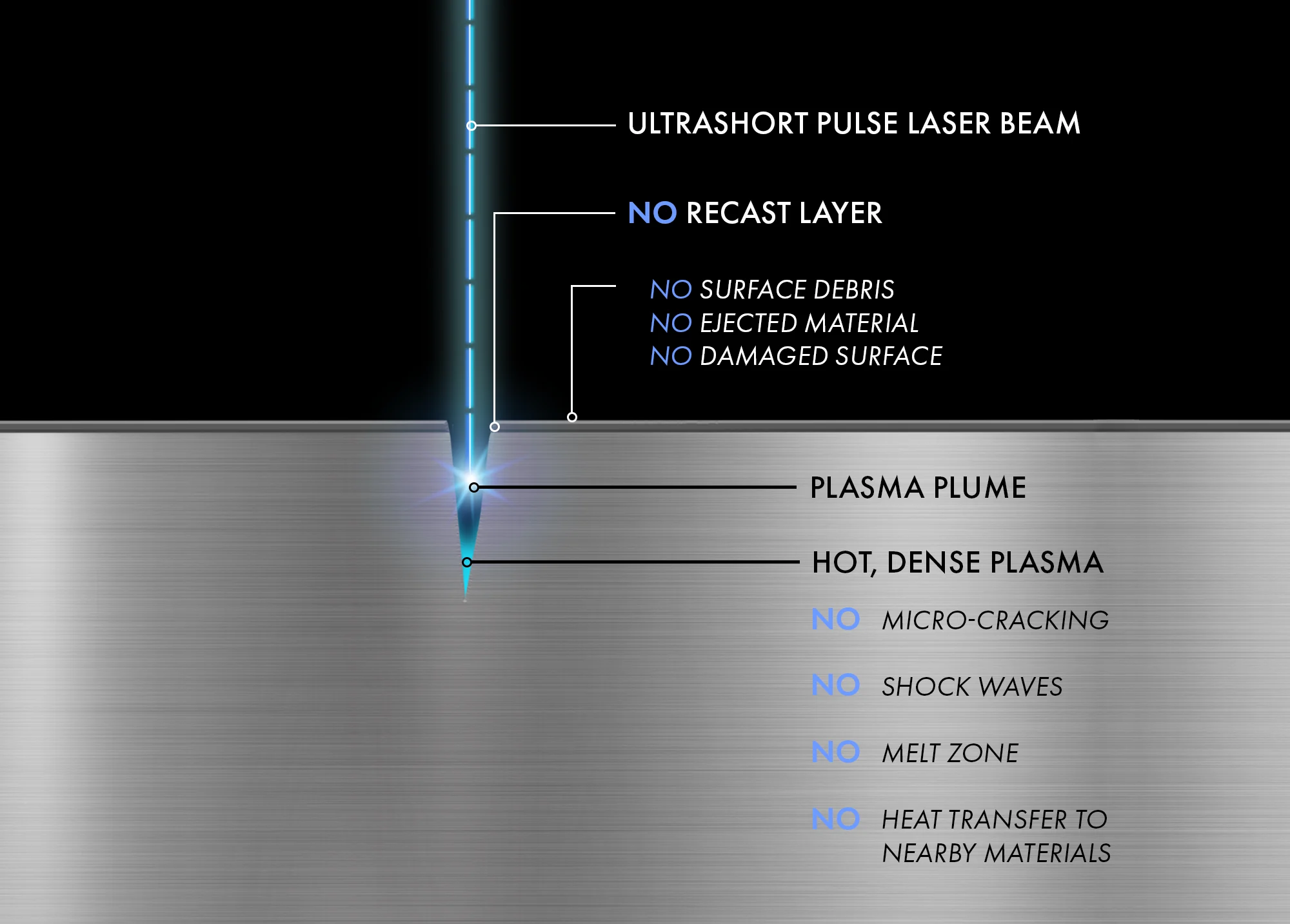
Quantum Qool femtosecond laser processing diagram

Using our patented femtosecond (one quadrillionth of a second) machining process, the pulse duration is so short the excited electrons do not have time to return to a resting state before processing is done.

The result is high penetration depth, less thermal diffusion and faster fabrication of nanostructures for desired functionalities — greater surface areas, more energy capacity and faster heat dissipation.

A deeper look at our results

Surface area up.
Emissivity up.

Engineered micro- and nanostructures can complement, augment and possibly eliminate conventional conduction & convection cooling flows with enhanced heat dissipation.

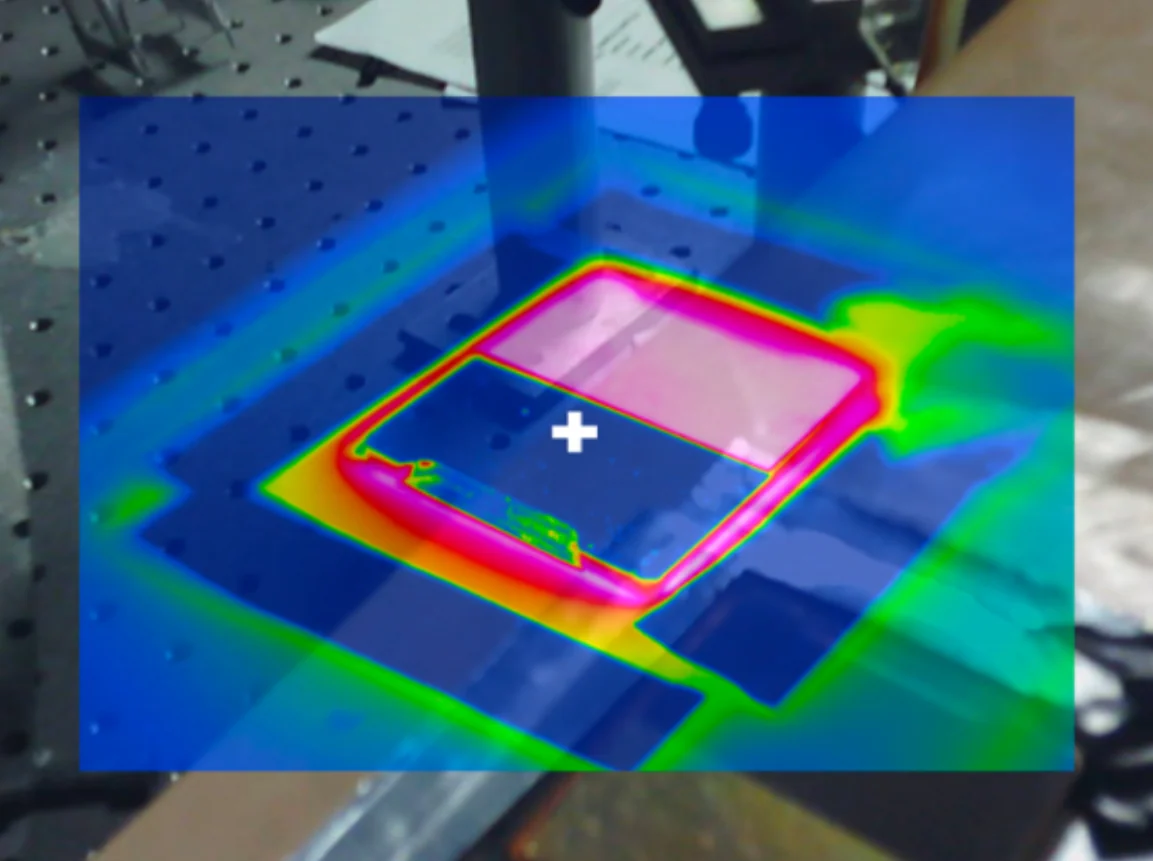
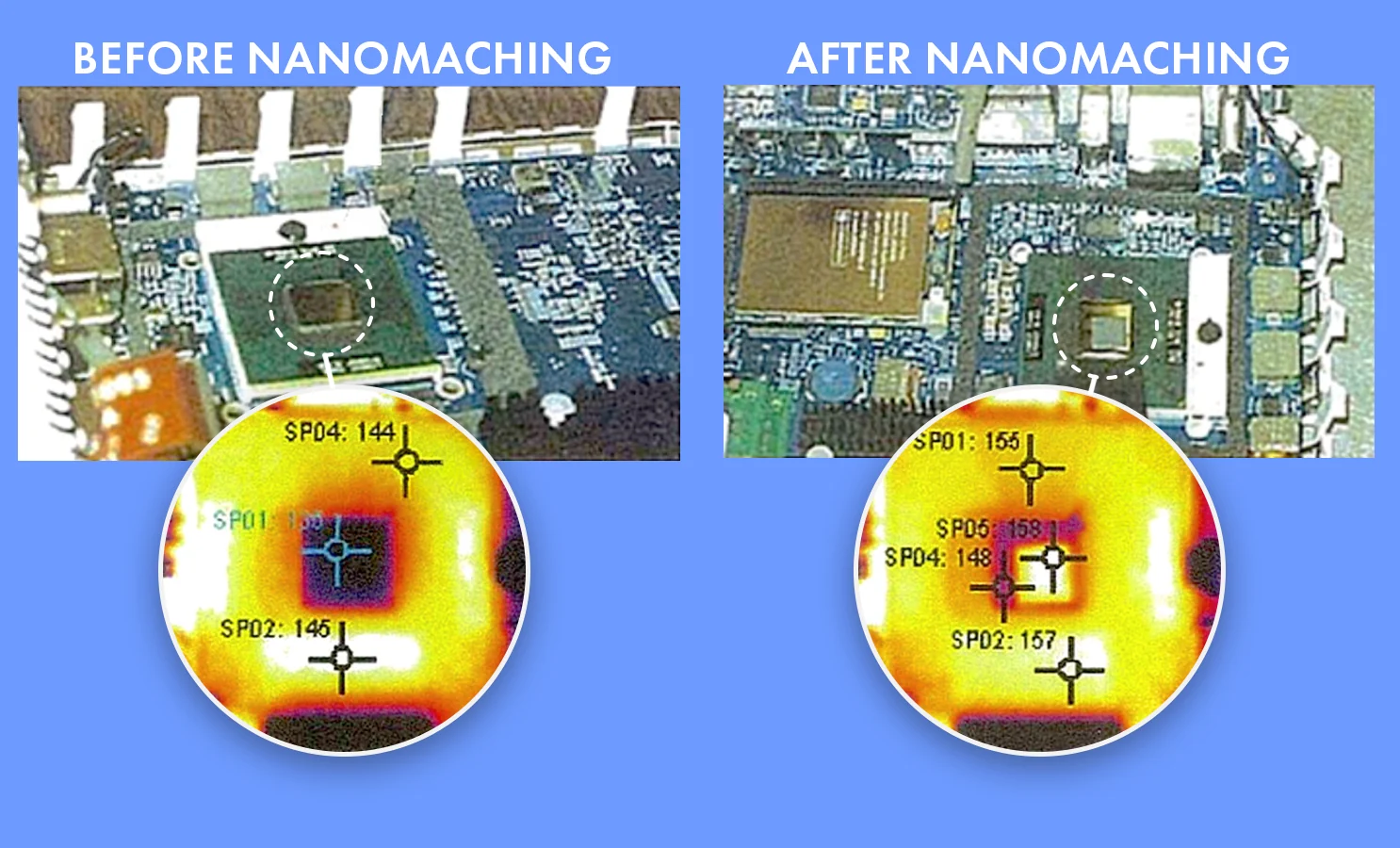
Infrared comparison of a microprocessor before and after nanomachining
Infrared comparison — before & after nanomachining. The machined microprocessor reads hotter at the surface because it is emitting more thermal radiation away from the enclosure. The spot readings (SP01/SP02) quantify the shift: heat that previously pooled as a hot spot is now being rejected.
Infrared imaging of a machined microprocessor

Infrared testing

Infrared imaging shows a brighter, machined microprocessor after ULSS, where the temperature reads 10 degrees hotter — because it is emitting more thermal radiation away from the microchip enclosure.

That means optimised heat transfer: the microchip can handle more heat at higher temperatures within the enclosure, consistently, in extreme environments.

+10°Measured surface emission
after structuring
100%+Acceleration in
cooling rate
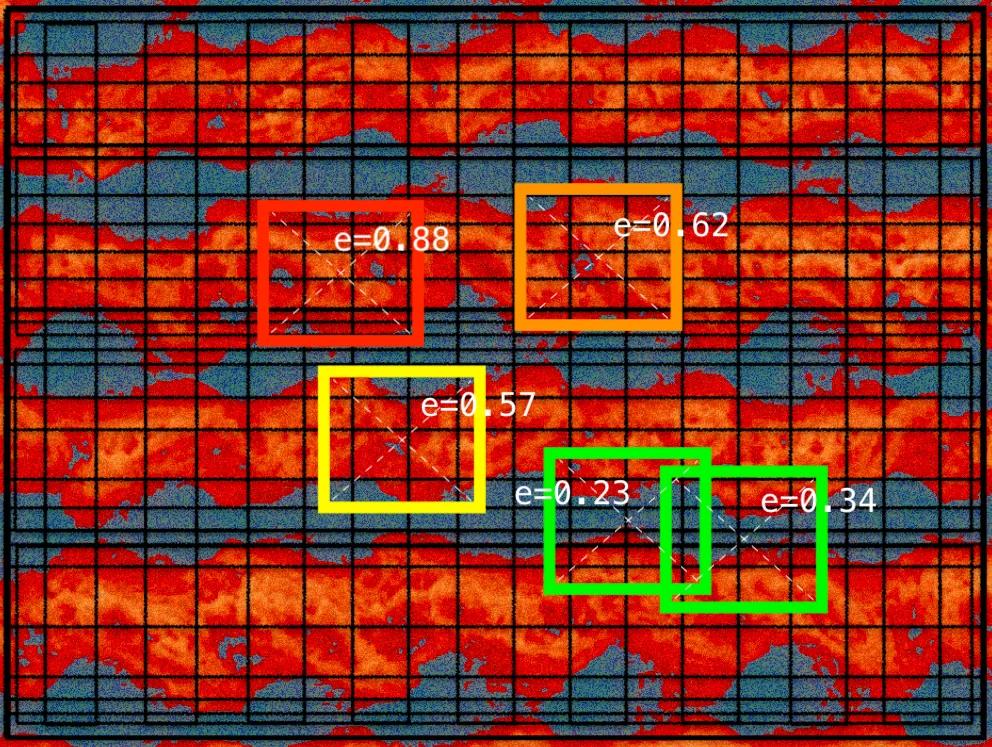
Machine vision of copper with nanostructured overlay
Machine vision — copper, nanostructured overlay. Structures are written directly into the base metal, so there is no coating or film to delaminate, outgas or degrade in high-temperature or vacuum environments.

ULSS at industrial scale

Three reasons it
reaches the line.

Precision

Laser-structure matter without generating heat on novel materials and products from metals, ceramics, and complex polymers.

Seamless

Eliminate time-consuming pre- & post-processing steps, reducing critical thermal surface treatment steps from weeks to hours.

Sustainable

Eliminate chemical processes that create environmental problems during the machining process and minimize your waste stream.

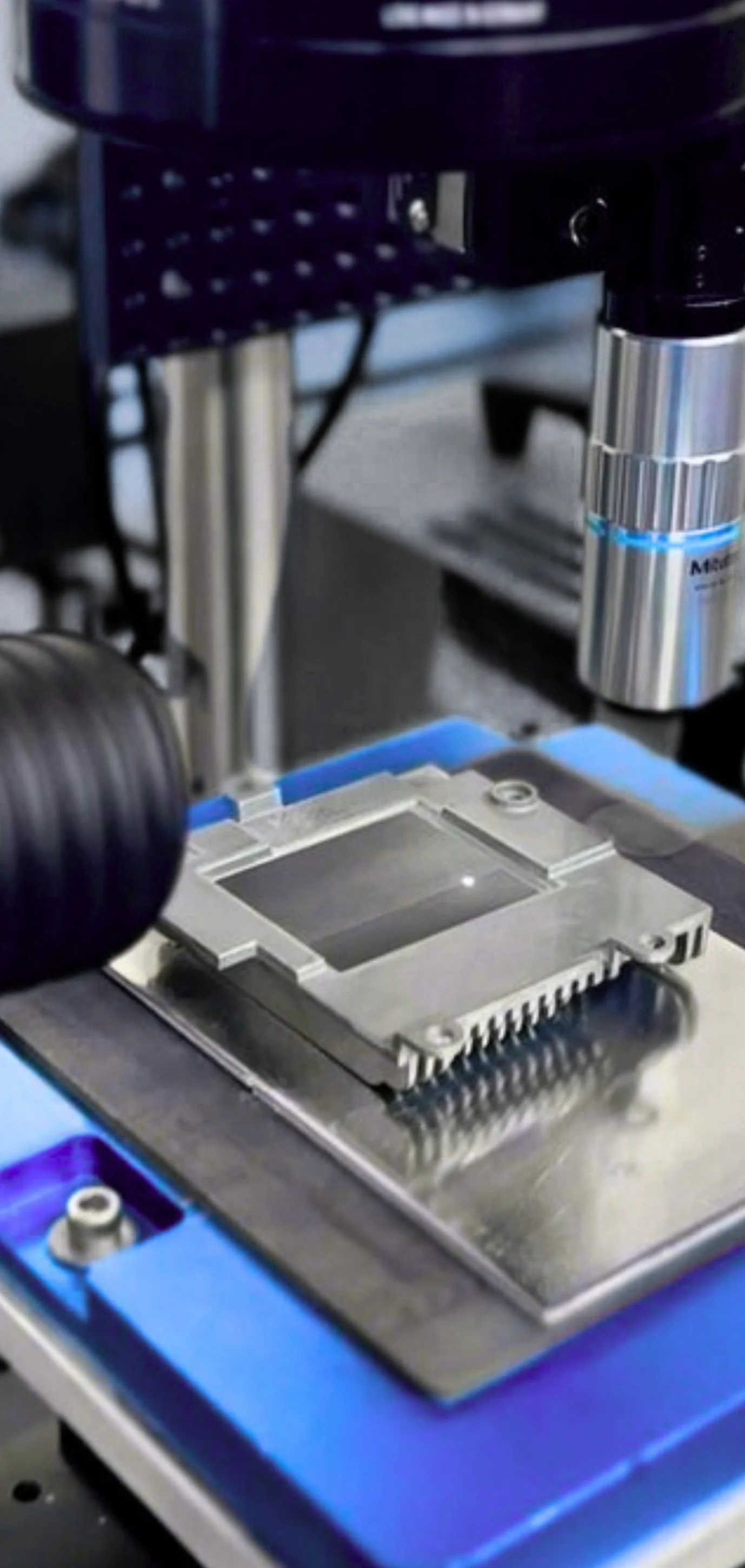
ULSS-treated heat sink
ULSS heat sink. We can provide a customised thermal management solution for your components in extreme temperature environments.

Let's collaborate

Turn thermal limits into a competitive advantage.

Send us the component, the duty cycle and the environment. We will tell you what ULSS can do for its emissivity, its surface area and its heat rejection — in hours, not months.